
This article is written for women and men alike.
Why do we sometimes repeat the same patterns in our relationships? How can we improve communication, cope with crises and create a bond with more security, closeness and love? An experiential workshop in Rehovot with Alon Shemesh and Miri Drori invites you to discover seven keys that can change the way you see yourself and your relationships.
We all want to love and feel loved. We look for a relationship with understanding, partnership, attraction and emotional security. But even when we meet someone who suits us, it is not always simple to build a healthy relationship and keep it over time.
Sometimes we find it hard to express what we really feel, sometimes we expect the other person to understand us without our having to explain, and sometimes we discover that the same difficulties return in different relationships, even when the partner changes.
Maybe the important question is not only how to find the right person, but also what we need to recognize and change in ourselves in order to build a relationship where both partners feel secure, understood and loved?
Does a healthy relationship actually begin with our relationship with ourselves?
One common belief is that finding the right partner will solve our loneliness, insecurity or emotional struggle, yet a relationship cannot carry alone the responsibility for our happiness and sense of worth.
When we learn to recognize our needs, understand our automatic reactions and identify the beliefs that limit us, we can approach a relationship from a more conscious and secure place.
This does not mean we have to be perfect before entering a relationship. On the contrary, a relationship is also a place where we learn, grow and discover new things about ourselves.
Change begins when we stop asking only what the person across from us should do differently, and start looking at what lies within our own influence.
What Are the 7 Keys to Love and a Healthy Relationship?
In the workshop on December 1 in Rehovot, we will explore seven key areas that shape the way we create, manage and sustain relationships.
1. Self-Love: Getting to Know the Person We Bring to the Relationship
How much do we believe we deserve to be loved? How do we respond to rejection or criticism? And which patterns do we carry with us from past relationships?
Getting to know ourselves can help us understand why certain situations trigger strong reactions in us, and how we can develop self-confidence that does not depend entirely on someone else's approval.
Self-love does not require us to think we are perfect, but to recognize that even when we make mistakes, face difficulty or experience rejection, we are still worthy of love and appreciation.
2. Empowering and Limiting Beliefs: Are We Reacting to Reality or to Our Interpretation?
"I always ruin relationships," "everyone leaves in the end," or "if he does not answer me, he probably no longer cares."
Sometimes we treat our thoughts as if they were facts, without stopping to check whether they have any basis in reality. The beliefs we hold about ourselves, about love and about other people can shape the way we interpret situations and respond to them.
In the workshop we will learn to tell the difference between what actually happened and the meaning we gave the event, and explore ways to examine limiting beliefs and develop interpretations that allow a more conscious response.
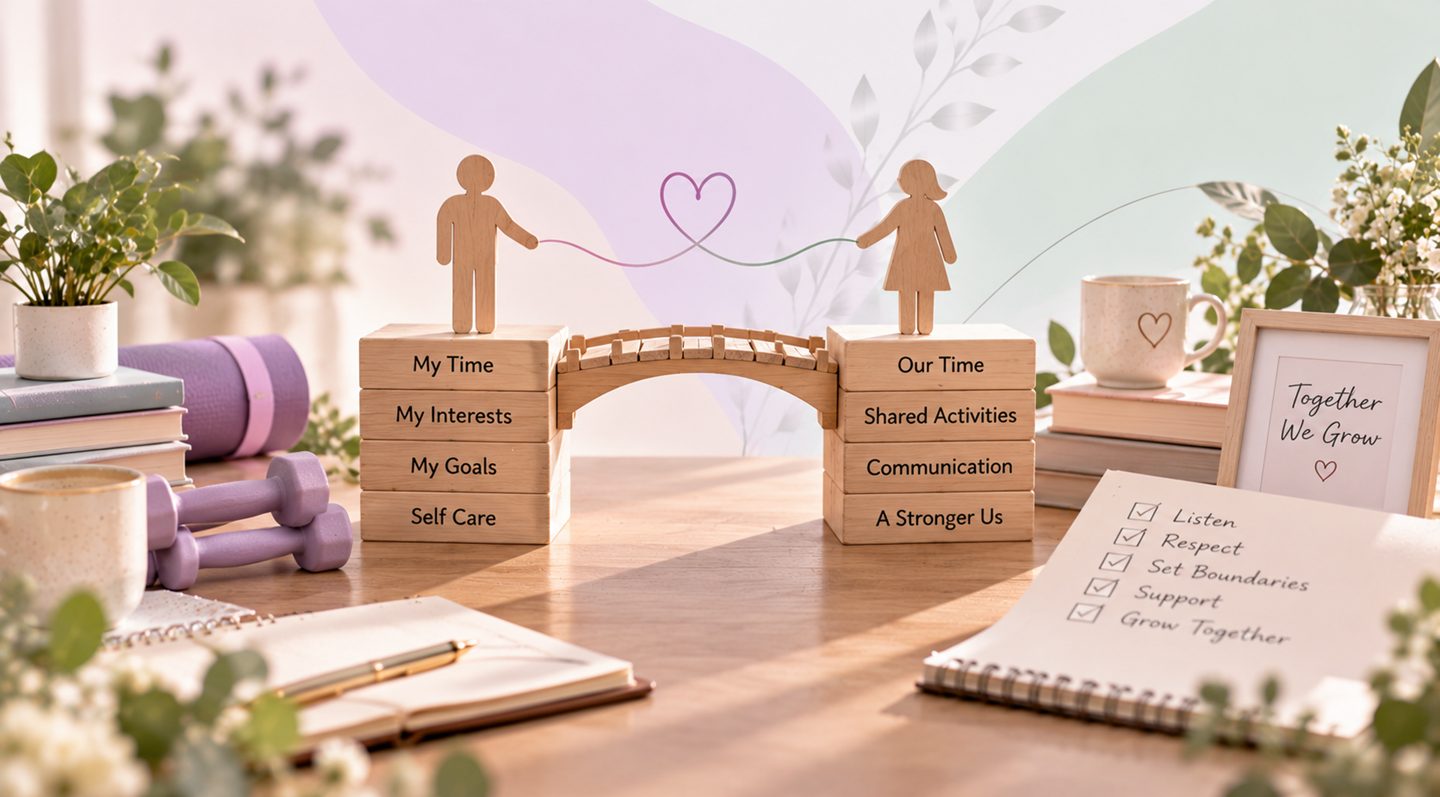
3. Couple Communication: Building a Bridge Instead of Winning an Argument
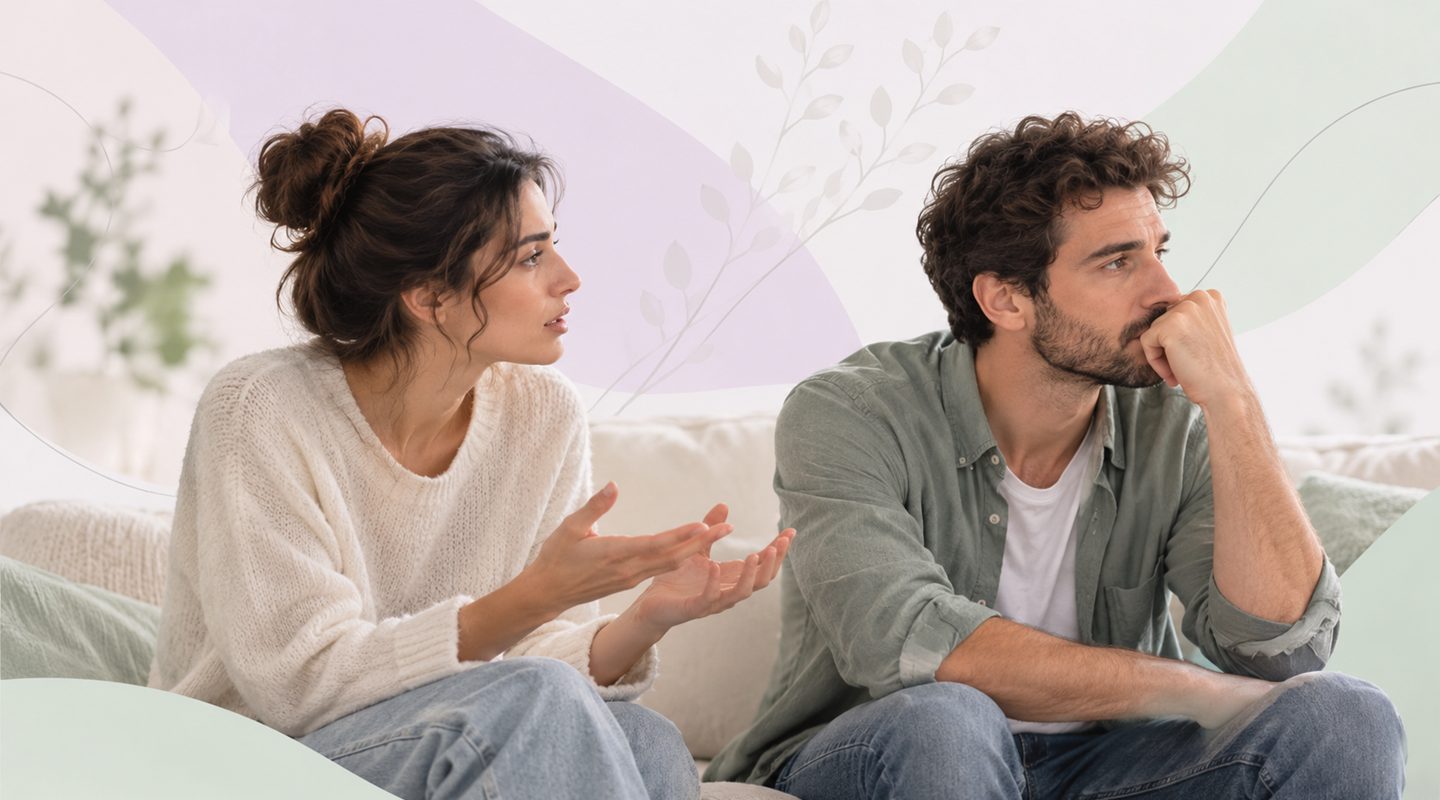
How many times have you said something to your partner and heard back, "but that is not at all what I meant"?
Each of us comes to a relationship with our own experiences, feelings and interpretations. Sometimes we are sure the person across from us knows exactly what we feel, but in practice our message does not always come across the way we intended.
Good couple communication does not require agreeing on everything, but the ability to express feelings and needs, to listen and to try to understand the other's point of view. Anyone who feels this difficulty keeps returning and weighing on the relationship can also be helped by a process of couples therapy for partners that teaches new ways to speak and listen.
In the workshop we will learn tools that help turn criticism and blame into a more open and clear conversation, and remember that the goal of communication is not to win an argument, but to build a bridge between two people.
4. The Five Love Languages: Understanding How the Other Person Feels Loved
Some people feel loved through kind words, others through quality time, small gestures, everyday help or touch. Sometimes two people love each other deeply but express that love in different ways.
The five love languages model offers an interesting way to open a conversation about each partner's needs and preferences, without assuming that what makes us feel loved necessarily suits the other as well.
The model is not a scientific formula that defines how each person experiences love, but a tool for conversation and mutual understanding. In the workshop we will look at how to use it to better understand our own needs and those of the person across from us.
5. Coping with Crises: How Do We Stay a Team Even When It Is Hard?
Even a good relationship has disagreements, periods of stress, disappointments and tension. Sometimes, precisely in the moments when we need closeness and understanding, we react with anger, pull away or hide behind silence.
The ability to cope with crises does not depend only on the strength of our love, but also on the tools available to us when emotions overwhelm us.
In the workshop we will work on identifying automatic reactions, emotional regulation and ways to take responsibility for our part in a conflict. We will also learn about the importance of repair attempts, those small moments where we can pause, listen and try to return to the connection from a different place.
6. The Value I Bring to the Relationship: Who Am I Within It?
When we look for a relationship, we tend to ask which kind of person suits us, which qualities matter to us and what we expect to receive from the connection, but when was the last time we paused to ask what we ourselves bring to the relationship?
Do we know our own strengths? Do we know what truly matters to us, which values guide us and what we are not willing to give up?
Sometimes the wish to please the person across from us leads us to present a certain version of ourselves, to hide parts of our personality or to try hard to be who we think others expect us to be.
In the workshop we will look at the personal value each of us brings to a relationship, examine the gap between the impression we try to create and who we really are, and learn how to approach a relationship from a sense of self-worth, authenticity and choice.
7. The New Path: Turning Insights into Real Change
We all know the moment when we realize something needs to change. We decide to be more patient, to listen more or to stop repeating the same patterns, but a few days later the routine returns, and with it the old habits. Understanding is an important starting point, but real change also requires action.
In the final key of the workshop we will focus on how to turn personal insights into practical steps in everyday life. Participants will be invited to choose one change they want to begin, define a first action and build a direction for themselves through a personal 30-day plan.
The goal is not to leave the workshop with a long list of tasks, but with one meaningful decision you can start applying the very next day.
Who Is the Workshop For?
The workshop is designed for adults who want to better understand themselves and their relationships.
It can suit people who are in a relationship and want to strengthen it, singles who want to approach their next relationship from a more conscious place, and anyone who notices patterns that keep repeating in their relationships and wants to learn how to change them.
There is no need to come with a partner, and no prior experience with workshops or personal development is required.
The 7 Keys to Love and a Healthy Relationship Workshop: December 1 in Rehovot

On Tuesday, December 1, 2026, Rehovot will host a three-hour experiential workshop led by Alon Shemesh and Miri Drori, both trained as Master NLP practitioners.
Over three hours we will combine knowledge from the worlds of personal development, communication and NLP with real-life stories, demonstrations, personal reflection exercises and experiential activities.
Participants will be invited to identify beliefs and patterns that affect their relationships, explore new ways to communicate and cope with challenges, and choose a practical step they can take forward with them.
This is an opportunity to devote time to yourself, to look at love and relationships from a slightly different angle and to leave with insights and tools you can start applying in everyday life.
The goal is not to promise a perfect relationship or a solution to every difficulty, but to help each participant leave with a better understanding of themselves and a practical direction forward.
Workshop details:
- Date: Tuesday, December 1, 2026
- Location: Rehovot
- Duration: 3 hours
- Facilitators: Alon Shemesh and Miri Drori
Want to discover which of the seven keys could be especially meaningful for you?
Join us for an evening of insights, connection, hands-on experience and a bit of humor, and discover how small changes in the way we see ourselves can open new possibilities in our relationships.
For more details and to register for the 7 Keys to Love and a Healthy Relationship workshop →The workshop is led by Alon Shemesh and Miri Drori. Alon Shemesh, an emotional therapist and personal coach using the NLP approach, guides people at the Nefeshlava clinic in Rehovot through processes of change, growth and coping with emotional and relationship challenges.