
Anxiety that limits you, self-confidence that has worn down, stress that won't let go, or a relationship that hurts your sense of worth: focused emotional therapy helps you understand what lies behind these feelings, and develop new tools for facing life's challenges.
There are times in life when something inside feels different. Maybe you're dealing with anxiety and fears that limit you, experiencing low self-confidence, struggling to cope with ongoing stress, or in a relationship that hurts your sense of worth.
Sometimes the difficulty is clear and familiar, and sometimes it's hard to even explain what exactly is bothering you. You keep up your routine, work, manage relationships and function on the outside, but inside you feel it's time to change something.
Emotional therapy for adults lets you pause, understand what lies behind the feelings and behaviors that accompany you, and develop new tools for facing life's challenges.
At the Nefeshlava clinic, led by Alon Shemesh, therapy combines tools from the world of NLP, work on patterns of thinking and behavior, and personal guidance tailored to your needs and goals.
You don't have to go through a major crisis to ask for help. Sometimes it's precisely the small difficulties that build up over time that affect your quality of life, your relationships and how you feel.
You may recognize one or more of the following in yourself:
Emotional therapy isn't only for dealing with a specific difficulty. It can also help you get to know yourself more deeply, strengthen your sense of capability and develop new ways of coping.
Every person has their own story, different experiences and their own way of facing life's challenges. That's why the therapeutic process is tailored to the difficulty you come with and the goals you want to reach.
Fear of flying, social anxiety, stage fright or an ongoing worry about the future can lead to avoidance and a feeling that fear is running your life. Using tools from the world of NLP, we work on patterns of thinking and response, calm the fear and strengthen your sense of control.
To the Anxiety, Fears and Phobias page →Finding it hard to voice your opinion, afraid of criticism or comparing yourself to others? Low self-confidence starts with learned beliefs and thought patterns. We'll identify the limiting beliefs, strengthen your self-worth and develop assertive communication, so you can act from a confidence that doesn't depend on other people's approval.
To the Low Self-Confidence page →Changes at work, a relationship crisis, loss or ongoing overload can shake your sense of stability and create emotional flooding. We'll identify the sources of stress, develop tools for emotional regulation and for coping with uncertainty, and find a renewed sense of stability and choice.
To the Coping with Crises and Stress page →When a relationship involves ongoing criticism, humiliation, control or emotional harm, it damages self-confidence and your sense of worth. The process focuses on the person experiencing the harm: we'll identify harmful patterns, strengthen self-confidence and explore the options with awareness and safety.
To the Healing from a Toxic Relationship page →NLP is an approach that focuses on the connection between thoughts, emotions, language and patterns of behavior. With practical tools, you can examine how experiences and beliefs affect your reactions in the present, and practice new ways of coping.
Depending on the need, the process may combine several tools:
Therapy doesn't follow a uniform template. Every person has their own pace, and the tools are chosen according to the goals of the process and the kind of difficulty.
Important to know: NLP is not a substitute for medical treatment or evidence-based treatments when they are needed, particularly in complex mental health conditions.
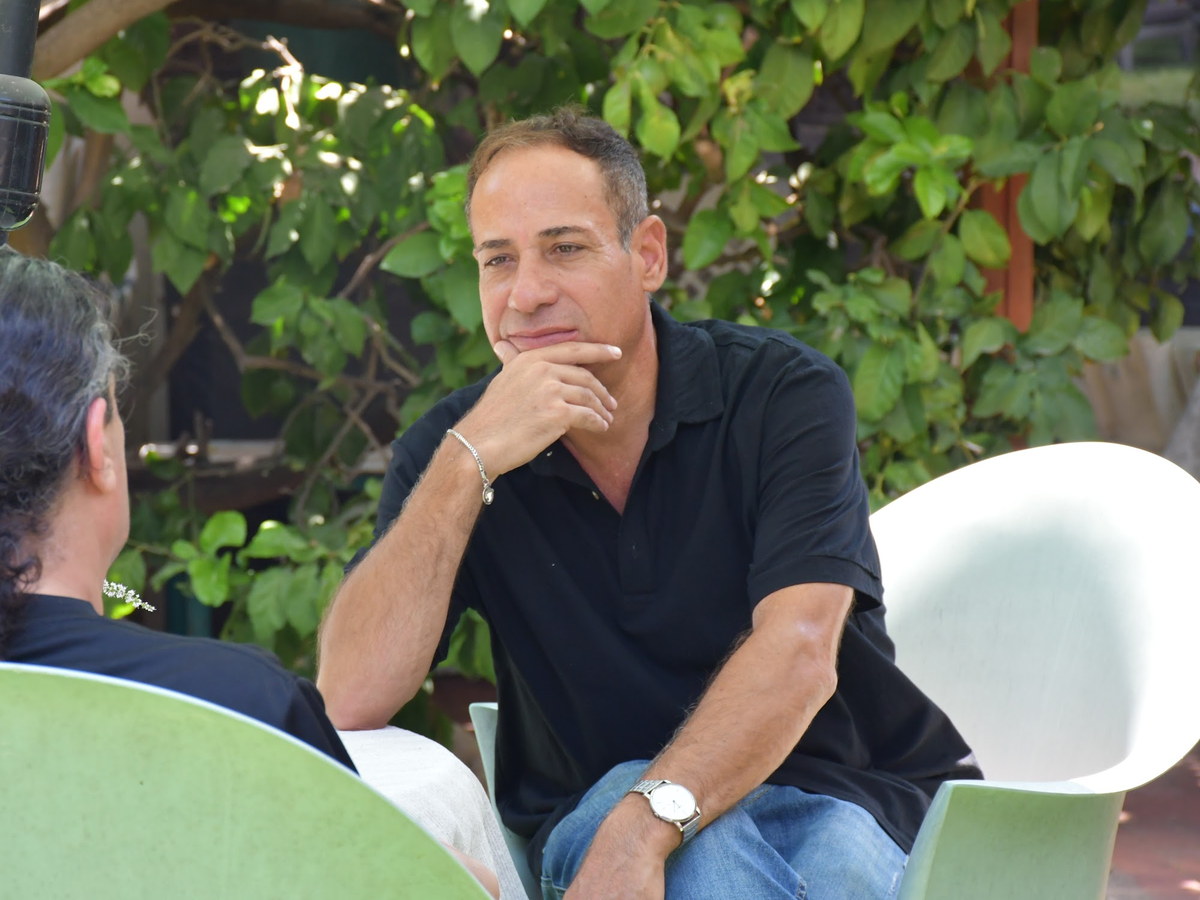
Alon Shemesh, an emotional therapist and personal coach with an NLP Master certification, guides adults through processes of personal change and coping with emotional challenges. At the center of his approach is the understanding that no two people experience exactly the same difficulty, and even when two people face similar anxiety or a similar crisis, the way they experience it is completely different.
Guidance at Nefeshlava is marked by personal attention, listening without judgment, work on patterns and habits, and practical tools you can practice outside the sessions too.
Sessions take place at the clinic in Rehovot or on Zoom, depending on your personal preference and the nature of the process.
Get to know AlonEmotional therapy focuses on coping with emotional difficulties, and on the experiences and patterns that affect the present. Personal coaching usually focuses on setting goals, developing skills and making practical progress. The two sometimes overlap, but choosing the right process depends on your personal needs and the kind of difficulty.
Yes. You can seek emotional support when dealing with low self-confidence, fears, difficulty setting boundaries or recurring patterns, even without a major crisis.
Yes. Alon Shemesh offers sessions at the clinic in Rehovot as well as online sessions on Zoom, depending on your needs and personal preferences.
The length of the process varies with the kind of difficulty, your personal goals and the pace of progress. Some processes are focused and relatively short, while others require longer work. A specific number of sessions or a particular outcome cannot be promised in advance.
No. Emotional support using NLP does not replace psychological or psychiatric diagnosis or treatment when they are needed. In situations of significant mental distress or a need for clinical treatment, it is important to turn to a qualified mental health professional.
If anxiety is limiting you, your self-confidence has taken a hit, stress has become part of your routine, or a relationship is taking an emotional toll, you don't have to keep coping alone. You're welcome to book an initial intro call, so we can explore together which process might suit you.
To be clear: the guidance and emotional therapy offered by Alon Shemesh are not a substitute for psychological or psychiatric treatment. Alon is not a psychologist or a psychiatrist, and some situations require diagnosis or treatment by a mental health professional - in such cases you will be referred to the appropriate professional.
Before you go - have you heard about the December 1 seminar?
Alon will get back to you soon to confirm your place and share payment details. If it's urgent, you can also WhatsApp 054-3333265.