Deciding to get married is one of the most exciting moments in life: you're in love, planning a shared future and dreaming of the home you'll build together. Alongside the excitement, questions sometimes come up that aren't always easy to talk about. Couples therapy before the wedding lets you dedicate time to what matters more than any of the event preparations: your relationship.

At the start of a relationship, when infatuation is at its peak, it's easy to focus on what you have in common. Over time the differences begin to show as well: different habits, expectations that were never said out loud, different approaches to money, family or sharing responsibilities at home.
These gaps don't necessarily point to a problem in the relationship. Each partner comes with a life story of their own, with values, habits and communication patterns built up over the years. The challenge begins when the differences become a constant source of fights, frustration or a feeling that one partner doesn't understand the other.
Couples therapy for young couples makes it possible to identify these gaps early, talk about them openly and explore how to deal with them together. You don't have to come to therapy because of a crisis; even couples who feel good in their relationship can benefit from setting aside time for meaningful conversations and aligning expectations ahead of their life together.
Some topics don't always come up in everyday conversation, yet they can become very significant after the wedding. In therapy for pre-marriage couples, you can give them room in an open and calm conversation.
How you manage shared expenses, and how each of you relates to saving, spending and financial commitments.
Whether and when you want to have children, and which values and views on raising them matter to each of you.
How you deal with your parents' expectations, holidays and family members' involvement in your decisions as a couple.
How you balance work, personal growth, running the home and time together.
What makes each of you feel loved, wanted and appreciated.
How you respond to anger, disappointment or disagreement, and how you get back to talking after a fight.
The goal isn't to agree on everything, but to learn to talk about what's different between you too, without hurting the sense of partnership. A short intro call comes with no commitment at all.
Maybe you know the feeling: once again you argued about the same issue, once again one of you got hurt and the other feels misunderstood.
Sometimes a fight starts over something small, like being late, an unanswered message or a decision about the weekend, but behind it lie deeper needs and feelings. One partner experiences the situation as a lack of consideration, while the other feels restricted or criticized. When each of you reacts from your own interpretation, a cycle of reactions forms that feeds itself.
Working on relationship difficulties lets you examine these communication patterns, understand what triggers them and practice other ways of expressing feelings and needs.
The NLP approach deals with the connection between thoughts, interpretations, language and behavior patterns. In a relationship, we often react not only to what our partner says, but also to the meaning we give their words.
A sentence said out of tiredness
"Maybe he's just tired" instead of "this is rejection" - examining the automatic interpretation before it sparks hurt feelings or a sense of being criticized
Using tools from the world of NLP, you can work on recognizing thought patterns and automatic reactions, consider other interpretations and practice more mindful communication. In the guidance process with Alon Shemesh, you can focus on a few main areas:
The work isn't meant to change either partner's personality, but to help each of you get to know yourself better and the way you act within the relationship.
Not every couple who starts a pre-marriage process has already set a wedding date.
Some couples have been together for a long time and love each other, but find it hard to decide about the next step. Sometimes the worry is about commitment, sometimes about significant gaps between the partners, and sometimes about pressure coming from family or the people around them. Questions like "Is this the right relationship for me?", "Will we manage to cope with the difficulties?" or "Am I ready to give up some of my independence?" are questions that deserve room.
Every couple comes with different needs, so the guidance process is tailored to the topics on your mind.
The length of the process varies according to the couple's goals, the complexity of the difficulties and your pace of progress.
Especially in the busy period before the wedding, it's important to find a time and place where you can step away from the preparations and give your attention to your relationship. Alon Shemesh offers several options for sessions.
A quiet, pleasant setting that lets you focus on the conversation and on the personal and couple process.
A conversation in an open, natural atmosphere, which may suit couples who feel comfortable in a less formal setting.
Holding the sessions in your familiar home setting, for couples who prefer it, by prior arrangement.
The flexibility in choosing where to meet lets every couple pick the setting in which they feel comfortable talking, sharing and dealing with the topics on their mind.
It's one of the most beneficial decisions a young couple can make. In the period before the wedding, it's easy to get swept up in preparing for the event and forget what really matters: the relationship itself. Couples guidance before marriage lets you get to know each other's needs and expectations better, align expectations for your life together and develop tools for better communication. You don't need a crisis to come; the wish to start your shared path on the right foot is enough.
Absolutely. The period before the wedding is full of pressure, expectations and big decisions, from the venue to how involved the families are, and it's natural for that tension to seep into the relationship. Often the fights over event details are really an expression of deeper questions about expectations and sharing responsibility. Couples guidance helps you understand what really lies behind the arguments and practice a calmer way of talking about them, so you arrive at the wedding more connected.
Some topics don't always come up in everyday conversation but become very significant after the wedding: money and how you manage finances, whether and when to have children, the involvement of the extended family, sharing responsibilities at home and in your careers, closeness and intimacy, and how you handle disagreements. The goal isn't to agree on everything, but to learn to talk about what's different between you too, without hurting the sense of partnership.
There isn't always a clear-cut answer, and the uncertainty itself is a good reason to come and talk. Questions like "Is this the right relationship for me?" or "Will we manage to cope with the difficulties?" are legitimate and familiar to many couples. The guidance isn't meant to persuade you to marry or to separate, but to allow an honest conversation, understand where the uncertainty comes from and explore the options with greater clarity.
There's no fixed number of sessions that suits every couple. Some couples come for a few focused sessions around one topic, such as communication or family involvement, while others choose broader preparation for their life together. The length of the process is decided together and tailored to your goals, the complexity of the issues and your pace of progress, without pressure and with no commitment in advance.
Of course, and that's exactly one of the best reasons to come. Even couples who feel good together can benefit a great deal from setting aside time for meaningful conversations and aligning expectations before shared life brings new challenges. Guidance before marriage is an investment in the relationship itself, not just a solution to a problem.
You choose the venue for one day, the photographer for a few hours and the wedding dress for one special event. But your relationship is what will stay with you long after the wedding is over. Couples therapy before the wedding is an opportunity to pause amid all the preparations and invest in what you are building together.
Alon Shemesh, a certified NLP practitioner from Rehovot, offers guidance with a personal, attentive and respectful approach, with practical tools for improving communication, understanding behavior patterns and strengthening your relationship. Whether you're facing difficulties in your relationship, unsure about marriage or simply want to start your life together with a better understanding of each other, you can begin with a conversation.
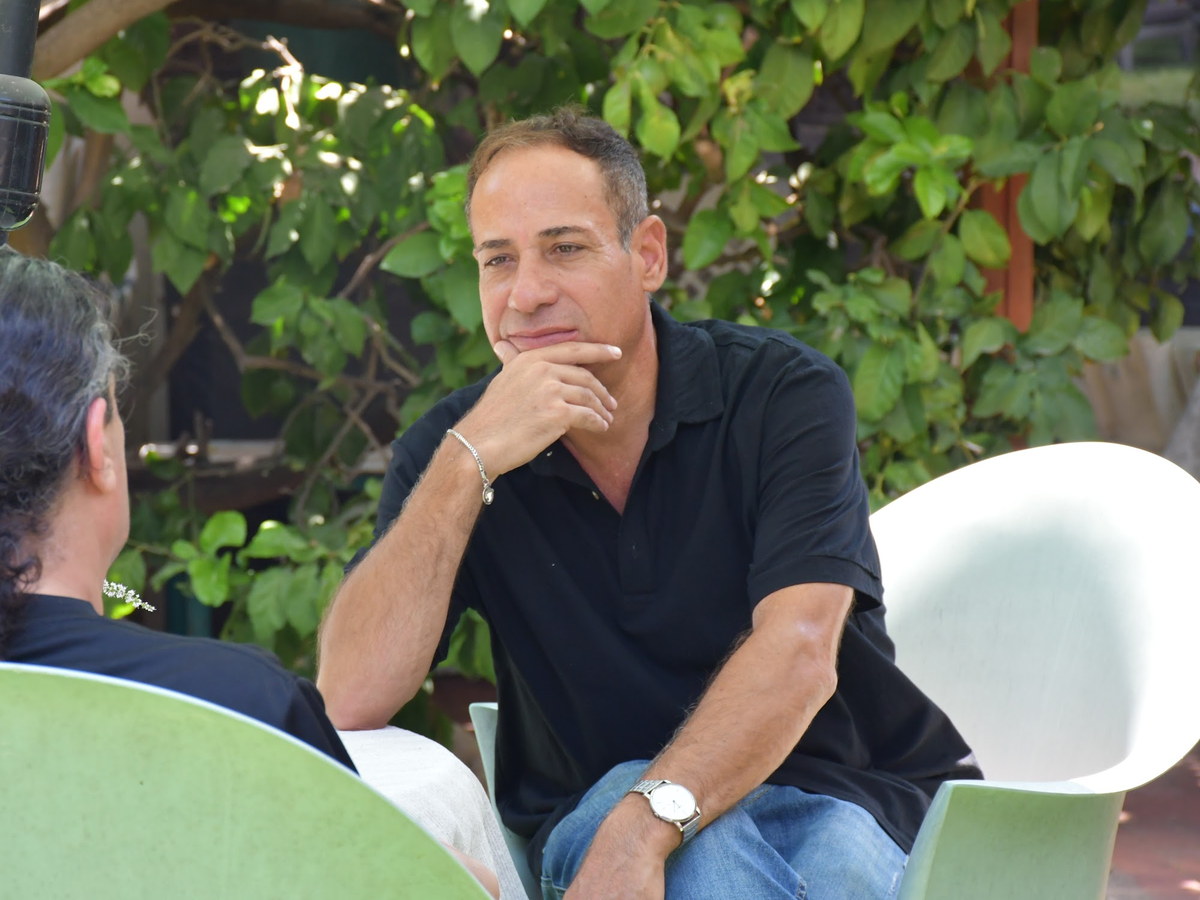
Alon Shemesh is an emotional therapist and personal development coach, a graduate of the Tut Tikshoret school and holder of an NLP Master certificate. Sessions take place at the clinic in Rehovot, in the courtyard or in your home, at a pace that suits you.
Every process is built around what you bring into the room, not around a ready-made template. The first step is a short intro call, with no commitment.
Get to know me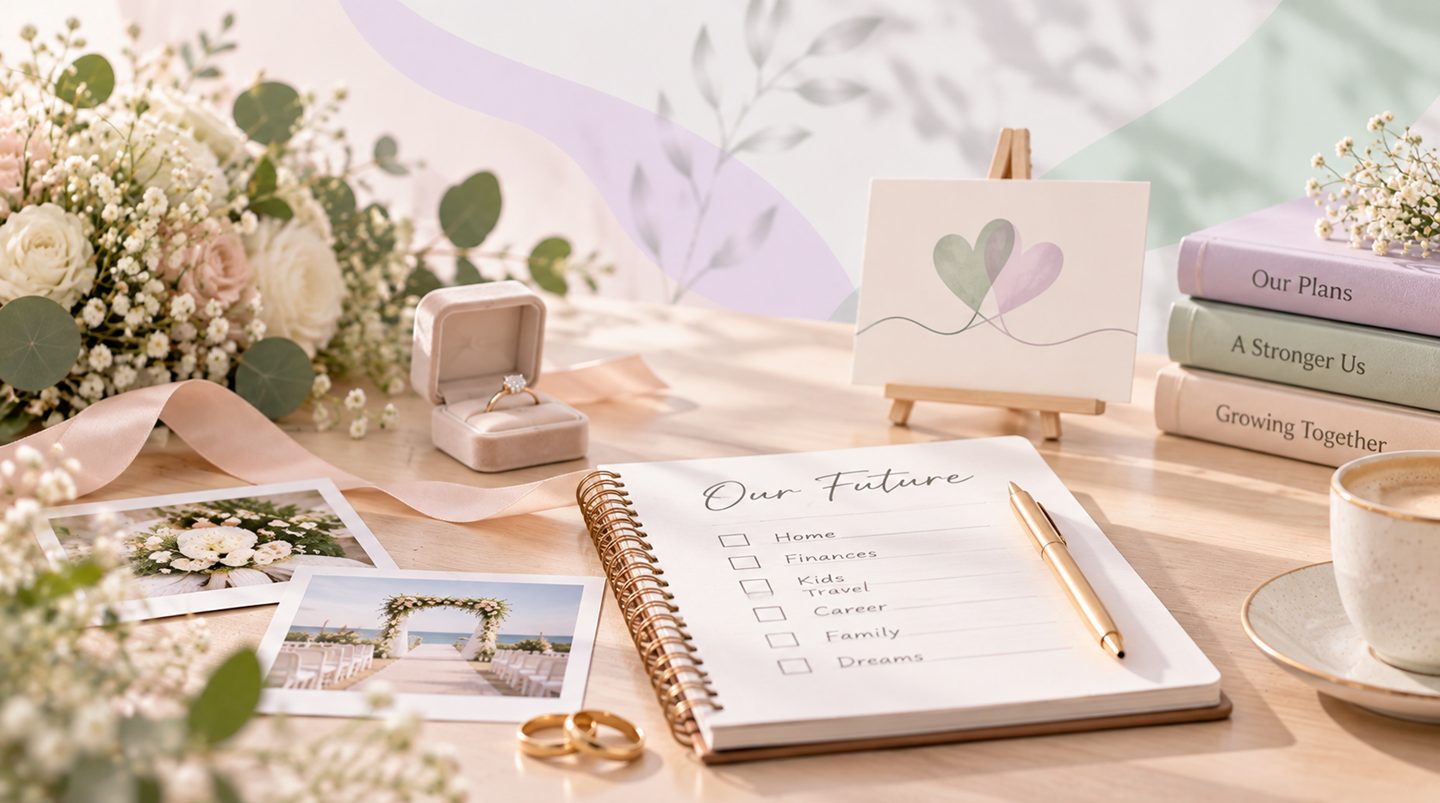 Couples Therapy
Before you say yes: what young couples need to learn to talk about before the wedding
Getting married soon? What to talk about before the wedding, how to handle gaps in your relationship, and how couples guidance can help build a stable bond. Read more.
Read →
 Couples Therapy
Check yourselves: does your relationship crisis call for couples therapy?
Arguments have become routine and you're no longer sure it will pass. 8 questions to help you assess the state of your relationship. Take the check.
Read →
 Workshops & Talks
Loving is easy. Keeping love alive - nobody ever taught us that
In love but drifting apart? The fight beneath the fight, the love languages and small steps that bring closeness back. Read the full guide.
Read →
In Rehovot, in the courtyard or at your home. A personal conversation, with no commitment, ahead of your life together. You can come together, or start on your own.
To be clear: the guidance and emotional therapy offered by Alon Shemesh are not a substitute for psychological or psychiatric treatment. Alon is not a psychologist or a psychiatrist, and some situations require diagnosis or treatment by a mental health professional - in such cases you will be referred to the appropriate professional.