Your son doesn't open up the way he used to? Your daughter shuts herself in her room, pulls away from friends or reacts with anger to every attempt to get close? It isn't always easy to know whether this is normal adolescent behavior or a sign of emotional distress. Emotional therapy for teens gives young people a safe space, someone who listens and real tools for coping with the challenges on their mind.
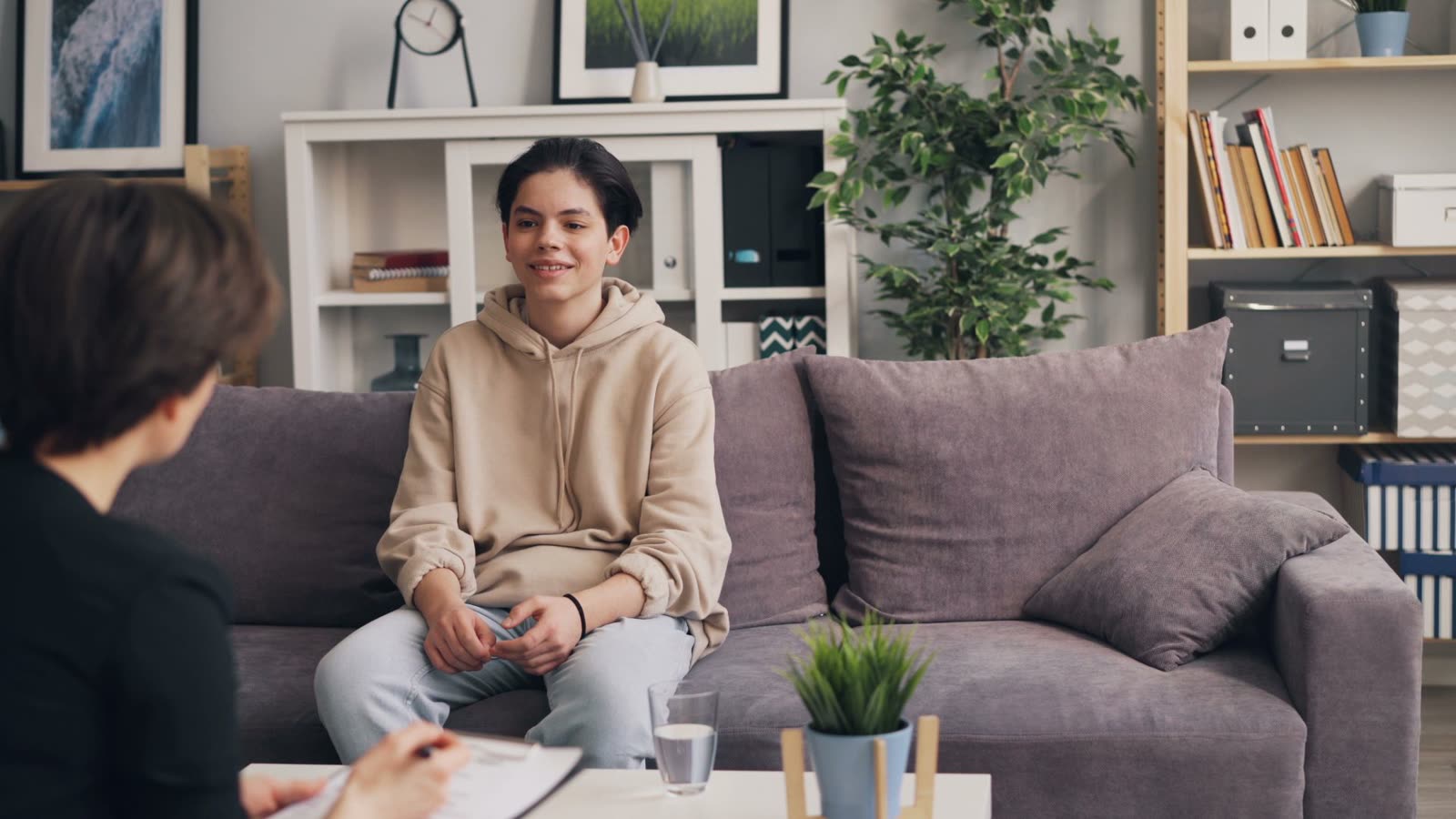
Adolescence is a time of rapid change, and today more than ever, teens have to deal with social expectations, constant comparison on social media, emotional overload and the wish to find their place in the world. They don't always know how to explain what they're going through - sometimes the distress shows up as withdrawal, angry outbursts, difficulty making connections or a significant change in behavior.
Emotional therapy for teens and adolescents can give them a safe space, someone who listens and tools for coping with the challenges on their mind. At Alon Shemesh's Nefeshlava clinic, the support is based on tools from NLP and personal coaching, tailored to the needs of each teen and with the parents involved in the process.
Adolescence has always been a complicated time, but today's reality adds challenges that didn't exist with the same intensity in the past.
Alongside the physical and emotional changes, teens deal with social pressure, a constant need to belong, academic expectations, questions of personal identity and a desire for independence. Social media creates a world where comparison with others is almost nonstop: photos, comments, WhatsApp groups and follower counts can affect self-image and the sense of belonging.
Long hours in front of screens can also become a way to avoid dealing with difficulties, loneliness or unpleasant feelings, and can sometimes hurt sleep, friendships and daily routine. Through all of this, teens are trying to build an independent identity, yet they still need support, boundaries and a sense of security.
The hard part is that they don't always know how to ask for help, and sometimes, just when they need it most, they pull away from the people closest to them.
Not every change in mood points to an emotional problem. Temporary withdrawal, a wish for privacy or arguments with parents can be a natural part of growing up. Still, when changes are significant, lasting or start to affect day-to-day functioning, it's important to pay attention.
Spends more time alone, avoids family conversations or stops taking part in activities they used to enjoy.
Unusual irritability, crying, anger, frustration or rapid shifts between emotions for no clear reason.
Avoiding meeting friends, loneliness, trouble fitting into a group or fear of rejection.
Repeated statements like "I'm worthless", "Nobody likes me" or "I can't do anything right".
Outbursts, unusual defiance, avoiding tasks or patterns that weren't typical of the teen before.
Trouble falling asleep, ongoing fatigue or a significant change in eating habits.
Difficulty disconnecting from the phone or computer and drifting away from other activities, to the point of disrupting daily routine.
Missing school, a significant drop in motivation or giving up on interests.
The longer the signs last, the more they appear together or the more areas of life they affect, the more important it is to seek professional advice. Talk of not wanting to live, self-harm or risky behavior requires an urgent assessment by a licensed mental health professional, not emotional support alone.
Emotional support for teens doesn't focus only on the behavior you see from the outside, but also on the feelings, thoughts and needs that may lie behind it. At the Nefeshlava clinic, Alon Shemesh focuses on four main areas.
For teens, friends are a big part of their world, and a sense of social belonging affects self-confidence and mood. Social problems can show up as difficulty making friends, weak social skills, loneliness or fear of rejection, and sometimes as ostracism, humiliation or social exclusion that deeply hurt self-worth. The support focuses on building self-confidence, developing communication skills, setting boundaries and building a sense of capability in social situations. In cases of ongoing social harm, it's important to involve the parents and the school as well, rather than leaving the teen to cope alone.
Some teens react intensely to situations that seem fairly simple to their parents: a small remark leads to an angry outburst, an argument with a friend ends in tears or withdrawal, and a moment of frustration turns into a feeling that everything is falling apart. Poor emotional regulation can show up as emotional flooding, outbursts, impulsiveness or difficulty calming down after a stressful situation, and sometimes the teen feels guilt or frustration over their own reaction. In the process we work on identifying the feelings and the situations that trigger them, becoming aware of automatic reactions and practicing new ways to deal with anger, fear and frustration - not to prevent feelings, but to learn to express them without getting hurt and without hurting others.
Sometimes parents notice their teen returning to the same behavior again and again, even when it hurts them: a boy who gives up in advance for fear of failing, a girl who pleases her friends so she won't be left alone, or a teen who reacts with anger every time they feel criticized. Patterns like these sometimes develop from past experiences, limiting beliefs or coping strategies that became habits. Using tools from NLP, we work on identifying the patterns, understanding the situations that set them off and practicing new responses - working on limiting beliefs, reframing, guided imagery and strengthening a sense of capability. The goal isn't to change the teen's personality, but to let them choose how to respond instead of acting on autopilot.
Not every teen dealing with an emotional difficulty needs help because of a defined problem. Sometimes it's a period of insecurity, confusion, trouble adjusting, tension at home or a general feeling that something isn't working. In situations like these, emotional support for teens offers a space to talk freely, get to know their feelings and thoughts and develop coping tools. The support focuses on strengthening self-image, developing self-awareness, identifying strengths and building a sense of capability and independence, and it's tailored to the teen's age, personality and the goals they want to reach.
Teens don't always connect with a direct conversation about their feelings. Some find it hard to explain what they're going through, and others worry they'll be judged or that someone will try to change them.
That's why the foundation of the process is building a relationship based on trust, listening and respect for the teen's world. In his work, Alon Shemesh combines tools from NLP (Neuro-Linguistic Programming) and from personal coaching, which focus on the connections between language, thoughts, feelings and behavior. It's an experiential, emotional approach rather than one protocol for everyone, and it's especially suited to teens who find it hard, or simply don't want, to "talk about feelings". The process may include:
Every teen comes with a different emotional world, so the process is tailored to their personal needs and level of cooperation. NLP and personal coaching can serve as tools for developing skills and self-awareness, but they are not a substitute for evidence-based mental health treatment when it is needed; the research evidence for the effectiveness of NLP in treating mental disorders is limited.
When a teen is struggling emotionally, parents often feel helpless too. They want to help, but don't always know whether to ask questions, give space, set boundaries or insist on talking. Parental involvement plays a central role in supporting teens, because home is one of the most significant environments in their lives.
In a tailored emotional support process, parents can be involved as needed, helped to understand the teen's difficulties and to develop ways of communicating and offering support at home. At the same time, it's important to protect the teen's privacy and sense of independence, so they feel safe to share and to be partners in the process. The goal isn't to put the responsibility on the parents or on the teen, but to create a supportive environment that makes coping easier.
Many parents can see their teen needs help, but run into resistance: "I don't need therapy", "I don't have a problem" or "Just leave me alone". In cases like these, it's best not to present the support as a punishment or as an attempt to fix something wrong with your child. Instead, you can open with a calm conversation, share your concern without blaming and ask what might help them feel better.
It's important to give the teen room to express their opinion, explain the purpose of the process and let them take part in the decision. Sometimes an initial consultation between the parents and a professional can help them understand how best to approach the subject.
Sometimes you can see your child is struggling, but every attempt to get close ends in silence, anger or distance. You want to help them feel more secure, handle their friendships, manage their reactions and believe in themselves again - but you don't always know where to start. At the Nefeshlava clinic, Alon Shemesh offers emotional guidance and support for teens and adolescents using tools from NLP and personal coaching, focusing on social problems, difficulties with emotional regulation, changing behavior patterns and building confidence and a sense of capability. The work is done at eye level, listening to the teen's needs and involving the parents to the appropriate extent.
It's important to distinguish between emotional support and personal coaching on the one hand and clinical mental health treatment on the other. In cases of significant distress or impaired functioning, you should seek an assessment by a licensed mental health professional.
Feel your child needs someone who will listen, understand and help them cope? You can get in touch with Alon Shemesh, talk about the difficulty and explore together what kind of support might suit your teen. Even if you don't live in Rehovot, the first intro call is exactly the place to start.
Mood swings, a desire for independence and a need for privacy are a natural part of adolescence. When there are lasting changes in behavior, significant withdrawal, social difficulties or a drop in day-to-day functioning, it's worth seeking professional advice.
Yes. The process can include experiential tools and practical exercises that aren't based on talking alone. The fit depends on the teen's personality, their needs and their willingness to take part in the process.
We can work on building self-confidence, developing communication skills, setting boundaries and coping with social rejection. In situations of ostracism or exclusion, it's important to involve the parents and the school as well.
Emotional therapy is a broad term that also includes clinical treatments provided by licensed professionals. Personal coaching and NLP-based guidance focus on developing awareness, habits, skills and coping tools, and are not a substitute for mental health treatment when it is needed.
Parental involvement is decided according to the teen's age, the nature of the difficulty and the needs of the process. Conversations and guidance for parents can be included while protecting the teen's privacy and the limits of confidentiality.
The length of the process varies with the difficulty, the goals and the pace of progress. There's no fixed number of sessions, and every process is tailored to the personal needs of the teen.
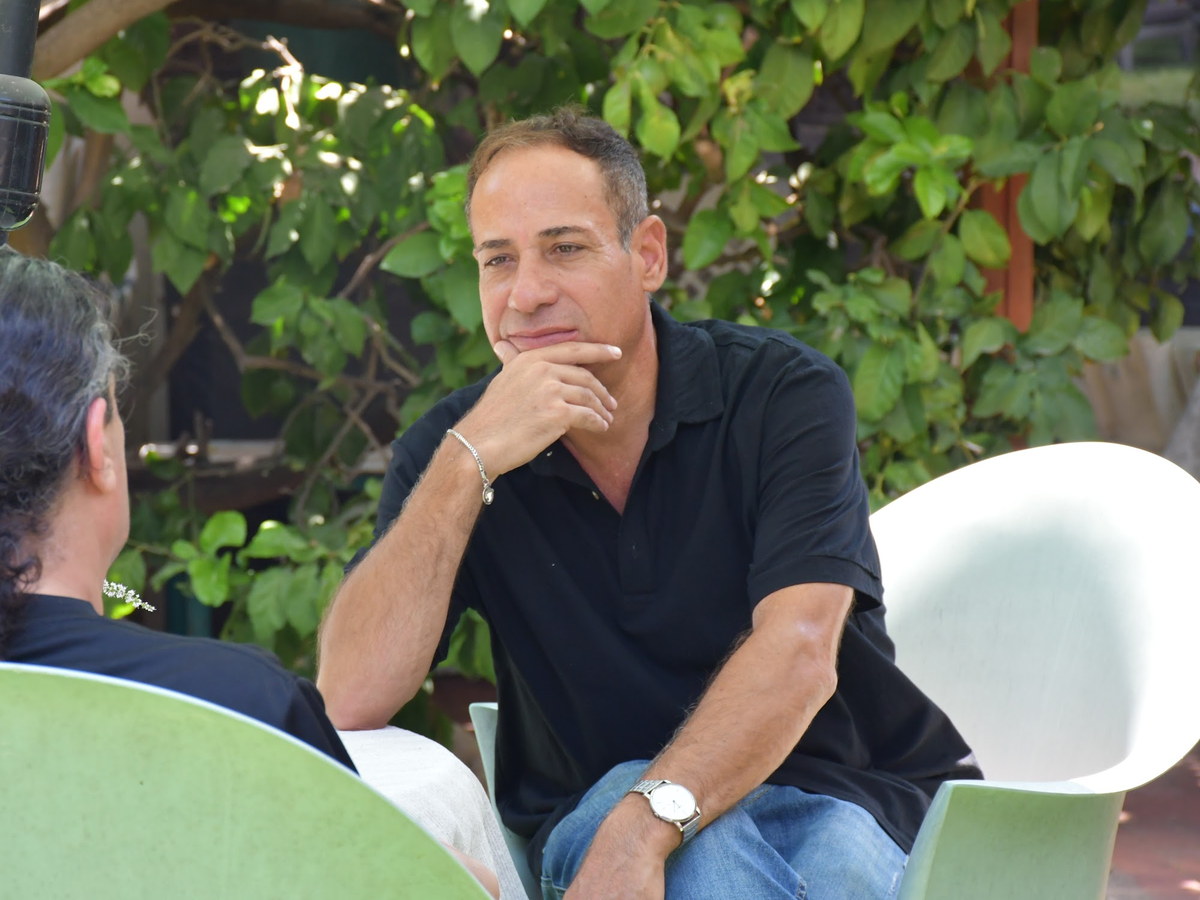
Alon Shemesh, emotional therapist and personal development coach, holds an NLP Master certificate and is a graduate of the Tut Tikshoret school, where he studied the world of teens in depth. Sessions take place at the clinic in Rehovot or on Zoom, depending on fit and need.
Every process is built around what the teen brings into the room, not around a ready-made template. The first step is a short intro call, with no commitment.
Get to know meAt the clinic in Rehovot or on Zoom. A personal conversation with no commitment - together we'll understand what your teen is going through and build a path that fits them and your family.
To be clear: the guidance and emotional therapy offered by Alon Shemesh are not a substitute for psychological or psychiatric treatment. Alon is not a psychologist or a psychiatrist, and some situations require diagnosis or treatment by a mental health professional - in such cases you will be referred to the appropriate professional.