There are times when it seems like everything is happening at once. Pressure at work, changes in the family, financial difficulties or major decisions that need to be made. Sometimes it's a sudden crisis that shakes your sense of security, and sometimes it's ongoing stress that builds up until it's hard to find a quiet moment.

Coping with crises and stress is an inseparable part of life, but we don't always know how to deal with what we're going through. When the thoughts won't stop, emotions flood in and your strength runs low, emotional support can help you understand the difficulty, strengthen your personal resources and find new ways of coping.
Emotional therapy with Alon Shemesh creates a personal, attentive and non-judgmental space where you can pause, understand what you're going through and gradually build a sense of stability and security.
Stress is a natural response of body and mind to situations that are challenging, threatening or that require us to adapt quickly.
It can show up as a racing heart, muscle tension, restlessness or trouble concentrating. In some cases stress can help us stay alert and focused, but when it goes on for a long time or comes on very intensely, it can affect daily functioning and personal well-being.
A personal crisis, on the other hand, happens when someone goes through an event or a significant change that shakes their sense of stability, and they feel that the tools they had until now are not enough to deal with the situation. A crisis can follow job loss, divorce, the loss of someone close, illness or a major change in daily life.
Stress is a natural response to challenging situations, and to some extent it even helps us focus and act. But when it goes on for a long time, it can affect daily functioning and quality of life. Here is how it may show up.
A feeling of tension, irritability or inner restlessness that stays with you throughout the day.
Recurring thoughts and difficulty stopping the worry, even when you try to rest.
Emotional exhaustion and a lasting sense of burnout, even after rest.
Trouble sleeping, concentrating and making everyday decisions.
Heightened sensitivity, frustration or outbursts of anger that aren't like you.
A feeling that what others demand of you is more than you can handle.
Sometimes a person keeps functioning normally on the outside, but inside feels like they're in a constant struggle. Stress therapy focuses not only on reducing tension, but also on identifying what increases it and developing tools for healthier coping.
Not every crisis starts with a dramatic event. Sometimes it develops gradually, out of a feeling that something in life no longer fits. Personal crises can appear at different stages of life.
Questions about achievements, meaning, personal identity and the road still ahead.
A blow to your sense of security, financial uncertainty and difficulty finding a new direction.
A change in daily routine, in the sense of being needed and in professional identity.
Coping with the loss of the relationship, a change in the family structure and building a new routine.
Moving home, children leaving home or a major change in life circumstances.
Despite the differences between these situations, a similar question often comes up: how do I go on from here? Coping with a crisis doesn't mean finding an immediate solution to every problem. Sometimes the first step is to understand what has changed, make room for the emotions that come up and identify which options are still in front of you.
In times of stress or crisis, it's easy to feel that outside circumstances are running your life. But even when you can't change the situation itself, you can learn to influence the way you respond to it. An emotional therapy process may include several stages:
When the difficulty comes with an ongoing sense of difficulty making decisions or a loss of direction, working on strengthening your personal resources can gradually restore trust in your ability to choose and act.
It isn't always possible to change the circumstances that cause stress or a crisis, but there are actions that can help lighten the emotional load and strengthen your sense of control.
Slow, comfortable breathing, meditation or relaxation help lower arousal and bring your attention back to the present moment.
Walking, swimming, yoga or any suitable movement help release tension, improve mood and give you a break from your thoughts.
Regular sleep hours, regular meals and time to rest support your ability to cope during stressful periods.
Breaking big tasks into small steps, distinguishing between what is in your control and what isn't, and choosing what to focus on right now.
Talking with someone close or with a professional eases the sense of loneliness and offers another perspective on the situation.
Recalling past challenges you've faced and identifying resources you already have help build a sense of capability.
With Alon Shemesh, the process combines listening, emotional conversation and tools from the world of NLP, alongside guided imagery and work with thinking patterns and limiting beliefs. The approach focuses on understanding how a person interprets reality, identifies their difficulties and responds to challenging situations.
Guided imagery makes it possible to practice relaxation, turn attention to inner sensations and imagine possible ways of coping. NLP tools are woven into the work on thinking patterns, inner dialogue and shifting your perspective on stressful situations. The process is tailored to each person's needs, without judgment and without any expectation to progress at a particular pace. Work on empowerment and personal growth is often part of the path to building resilience and regaining a sense of control.
Many people seek help only when they feel they have no strength left to cope, but you don't need to reach a breaking point to ask for support.
If you feel that stress is running your day, that you're struggling to adjust to a change or that you've lost your sense of direction, you can start exploring a different way. Sometimes simply having the chance to talk things through, understand what is really weighing on you and identify one small step you can take is a meaningful beginning.
A crisis doesn't have to define the rest of your life. Even in times of uncertainty, you can find inner resources, strengthen your sense of security and gradually build a new path. Alon Shemesh offers personal emotional support with an attentive, non-judgmental approach, combining NLP tools, guided imagery and work on thinking patterns. Sessions take place at the clinic in Rehovot or on Zoom, according to your needs and preferences.
Stress is a natural response of body and mind to challenging situations, and it can show up as a racing heart, tension or trouble concentrating. A personal crisis happens when someone goes through an event or a significant change that shakes their sense of stability, and they feel that the tools they had until now are no longer enough. Sometimes ongoing stress leads to a sense of crisis, and a crisis may come with significant emotional stress.
When stress goes on for a long time or comes on very intensely, it can affect daily functioning and quality of life. Signs of this include ongoing tension and restlessness, thoughts that won't settle, fatigue and burnout, trouble sleeping and concentrating, heightened sensitivity and a feeling that what others demand of you is more than you can handle.
A midlife crisis often raises questions about achievements, meaning and personal identity. Coping with it doesn't mean finding an answer to every question right away - sometimes the first step is to understand what has changed, make room for the emotions that come up and identify which options are still open. Emotional support can help bring back a sense of direction and meaning.
Practical tools that may help include mindful breathing and relaxation, exercise and movement, keeping a regular sleep and eating routine, breaking big tasks into small steps and setting priorities, sharing and accepting support, and building personal resilience by recalling past challenges you've faced and the resources you already have.
The length of the process varies with your personal situation, the depth of the difficulty and the goals of the work. There is no fixed number of sessions; progress is built at a personal pace and reviewed according to your needs and the changes that happen along the way. The goal is not to make every difficulty disappear, but to develop a better ability to cope with them.
No. You don't need to reach a breaking point to ask for support. If you feel that stress is running your day, that you're struggling to adjust to a change or that you've lost your sense of direction, you can start exploring a different way. Sometimes simply having the chance to talk things through and identify one small possible step is a meaningful beginning.
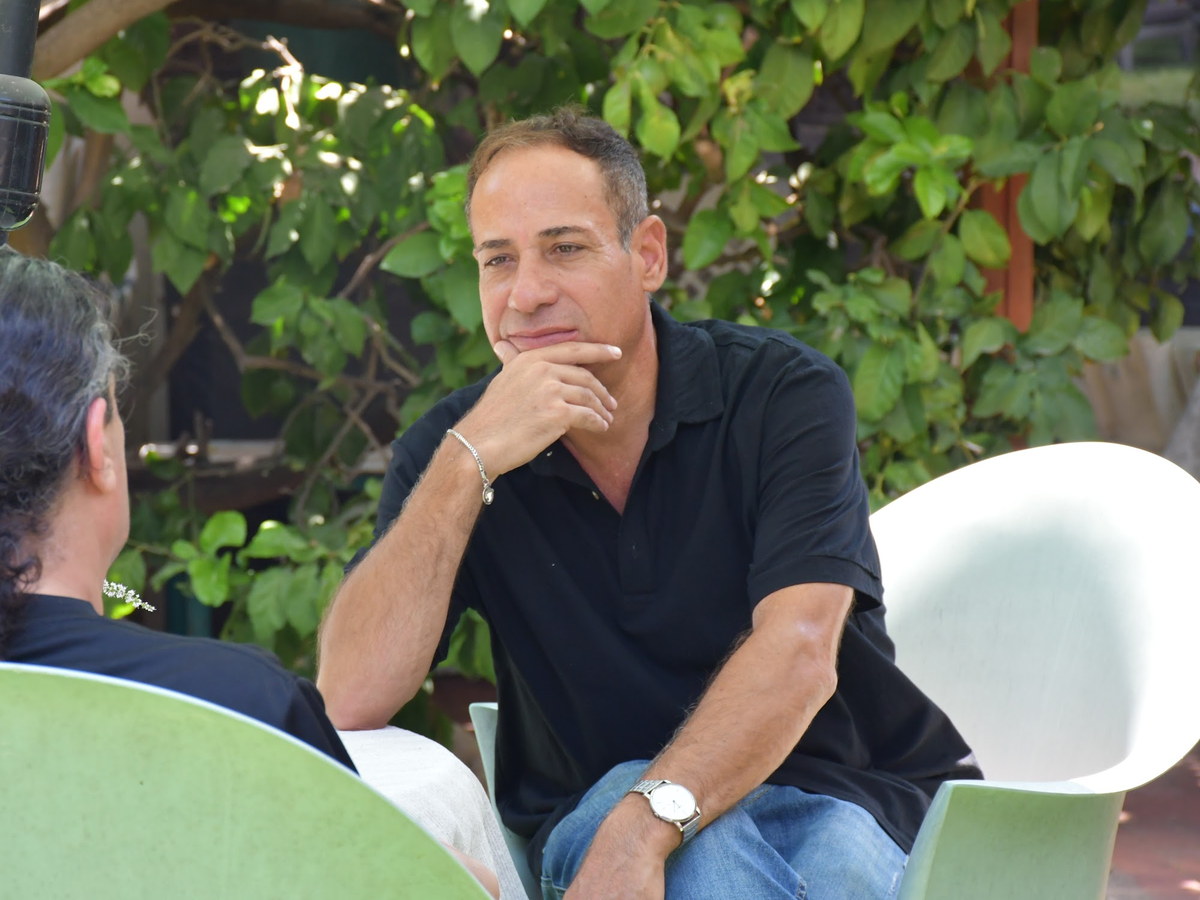
Alon Shemesh, an emotional therapist and personal development coach, holder of an NLP Master certificate and a graduate of the Tut Tikshoret school. Sessions take place at the clinic in Rehovot or on Zoom, depending on fit and need.
Every process is built around what you bring into the room, not around a ready-made template. The first step is a short intro call, with no commitment.
Get to know me Personal Coaching
Why do we wait for the right moment to start changing our lives?
The perfect moment almost never comes. Why we put off change that matters to us, and how to start without waiting. Read more.
Read →
 Personal Coaching
Life looks good from the outside, so why does something inside still feel missing?
You have a job, a family and a routine, and still something is missing. 4 signs it's time to listen to yourself and begin a process of empowerment. Read more.
Read →
 Personal Coaching
Difficulty making decisions: why do we keep regretting even after we've already chosen?
You chose and moved on, yet your mind keeps debating. 4 signs regret has become a pattern, and how to break the cycle. Read more.
Read →
At the clinic in Rehovot or on Zoom. A personal conversation, with no commitment - together we'll look at how you can start regaining a sense of stability.
To be clear: emotional therapy with Alon Shemesh is not a substitute for psychological or psychiatric treatment. Alon is not a psychologist or a psychiatrist, and in situations of severe emotional distress or a crisis that requires a dedicated clinical response, it is important to turn to a licensed mental health professional.