When anxiety, fear or a phobia starts running parts of your life, causing avoidance and disrupting your routine, it's important to know there are ways to cope. NLP-based emotional support that helps you understand your reactions, develop tools and bring back calm, at a pace that suits you.

Sometimes fear shows up in the most ordinary moments. Before a drive, an important meeting, a conversation with someone close or a decision you need to make. You know there isn't always a real danger, and still your body goes on alert, your heart races and the thoughts won't stop. In other cases, anxiety stays with you throughout the day, even when everything looks fine from the outside.
When anxiety, fears or phobias start affecting your decisions, leading you to avoid certain situations or disrupting your daily routine, it's important to know there are ways to cope.
Treating anxiety, fears and phobias through emotional support can help you understand your reactions, identify thought and behavior patterns and develop tools for coping with fear and anxiety, at a pace that suits you.
Fear is a natural response of body and mind to a situation perceived as dangerous. It is an important protective mechanism meant to warn us of danger and help us react quickly. When we face a real threat, fear can protect us.
Anxiety, on the other hand, can appear even when there is no immediate danger. It shows up as ongoing worry, thoughts about what might happen and a sense of tension or alertness that's hard to shake off. Anxiety is sometimes accompanied by physical symptoms such as a rapid heartbeat, sweating, chest pressure, trouble sleeping or a choking sensation.
A phobia is an intense, persistent fear that usually centers on a specific situation, object or activity. Sometimes the person is aware that the intensity of the fear doesn't match the actual danger, yet still struggles to control their emotional and physical reaction.
The differences between these states matter, but what they share is the feeling that fear is starting to run parts of your life.
Fears can take different forms and affect many areas of life. Some are linked to familiar experiences from the past, and others develop gradually, with no clear reason. Common fears include:
Worry about losing control, about an accident or about a situation where it's hard to get away from the source of the fear.
A strong emotional and physical reaction in certain situations, even when there is no real danger.
Worry about criticism, embarrassment, rejection or being judged by others.
Difficulty making decisions, advancing in your career or facing new situations.
Ongoing worry about your own health or the well-being of people close to you.
Feelings of fear or threat that appear even when it's hard to pinpoint what exactly triggers them.
Not every fear points to a problem that requires treatment. But when fear persists, intensifies or limits your freedom of choice, it's worth considering professional help.
Anxiety doesn't always show from the outside. You can keep working, run a family, see friends and function as usual, while at the same time experiencing inner restlessness, recurring thoughts or a feeling that something bad is about to happen.
Sometimes anxiety shows up as trouble falling asleep, ongoing fatigue or a need to check again and again that everything is okay. In other cases it leads you to avoid places, activities or opportunities that used to be a natural part of life.
You may be skipping a trip because of a fear of driving, putting off an important conversation for fear of the other person's reaction, or avoiding social gatherings because you feel insecure. Over time, avoidance can shrink your sense of independence and increase the fear of facing the next challenge.
Avoidance is a natural response to fear. When we stay away from a situation that triggers anxiety, we usually feel immediate relief. The body calms down, the tension drops and we feel we've managed to protect ourselves. But sometimes that temporary relief actually strengthens the fear.
For example, if you're afraid of driving on the highway and take an alternative route every time, you may feel safer in that moment. But the longer you keep avoiding the drive, the stronger the fear may grow of the next time you have to face it.
Coping with fears doesn't require you to fight yourself or plunge all at once into a situation that scares you. Sometimes the path begins with understanding your reaction, developing self-compassion and taking gradual steps that match your personal ability.
When fear or anxiety becomes a significant part of life, simply telling ourselves there's no reason to worry isn't always enough. Even when we understand logically that the situation isn't dangerous, the body and emotions may keep reacting as if there were a threat. In emotional support with Alon Shemesh, the goal is to understand the connection between the thoughts, feelings and behaviors that accompany the anxiety, and to develop new ways of coping. Alon combines tools from the world of NLP with listening, emotional conversation and practical exercises. The process is tailored to your personal difficulty and goals, and can include:
Understanding the situations, thoughts and sensations that heighten fear or anxiety.
Identifying threatening interpretations or limiting beliefs and exploring more balanced ways of relating to situations.
Practice aimed at helping reduce tension and strengthen a sense of calm.
Using personal practice to evoke feelings of stability and confidence in challenging situations.
Learning how to relate to fear and difficulty without constant self-criticism.
Developing tools to help you cope with situations that used to cause worry or avoidance.
It's important to know that NLP is not a substitute for research-based clinical treatments for anxiety disorders and phobias, such as cognitive behavioral therapy (CBT). When there is a need for diagnosis or clinical treatment, it's important to see a qualified mental health professional.
Alongside the emotional process, there are simple tools that can help with anxiety when it shows up during the day. Slow, comfortable breathing, moderate physical activity, regular sleep and reducing overload can all contribute to a sense of balance. Noticing the thoughts that appear during anxiety can also help you understand what triggers the reaction.
When you feel afraid, try asking yourself: is there a real danger right now, or is my mind focusing on a scenario that might happen?
It's also important to remember that you don't always need to make the fear disappear in order to keep going. Sometimes coping with fear begins with the ability to acknowledge it, let it be present and choose how to respond. When it comes to a significant phobia or anxiety that leads to widespread avoidance, it's recommended to build up coping gradually with appropriate professional support.
Not every feeling of fear or worry calls for treatment. Fear and anxiety are a natural part of life, especially in times of change, uncertainty or overload.
That said, it's worth considering help when you feel the anxiety keeps coming back, disrupts your sleep, affects your relationships or makes you give up things that matter to you. Even when you experience unexplained fears, ongoing alertness or a sense that it's hard to calm down, talking with a professional can be a meaningful step toward understanding the difficulty.
In cases of severe anxiety, frequent panic attacks or significant impairment in functioning, it's important to seek diagnosis and treatment from a qualified mental health professional. New or unusual physical symptoms also require medical evaluation.
If you or someone close to you is in distress right now, you can contact ERAN at 1201, or NATAL at 1-800-363-363, 24 hours a day.
In some cases anxiety can be managed through psychological therapy and emotional and behavioral tools, without the need for medication. In other cases, medication may be an important part of the process. The decision depends on the nature of the anxiety, its severity and an appropriate professional assessment. Do not stop or change medication without consulting your treating physician.
Not exactly. Fear is a natural response to a situation perceived as threatening, while a phobia is marked by an intense, persistent fear of a specific situation or stimulus, which sometimes leads to significant avoidance. A phobia can harm quality of life even when the person understands that the actual danger is low.
Yes. Even when it's hard to identify where the fear comes from, you can look at the situations in which it appears, the thoughts and sensations that come with it, and the behavior patterns that have formed around it. Understanding the difficulty can be an important part of developing ways to cope.
Not necessarily. NLP tools may be used as part of emotional support, but their effectiveness as a treatment for anxiety disorders and phobias is not sufficiently supported by research. When it comes to significant anxiety or a phobia that impairs functioning, it is recommended to see a mental health professional to explore appropriate treatment.
Yes. Alon Shemesh holds sessions at the clinic in Rehovot and also on Zoom, depending on need and personal fit.
If you feel that anxiety stays with you throughout the day, that fear limits your choices or that you keep avoiding things that matter to you, it may be time to explore a different way of coping.
Alon Shemesh, an emotional therapist and NLP Master, offers personal support for adults through Nefeshlava - emotional therapy, at the clinic in Rehovot or on Zoom. The process takes an attentive, non-judgmental approach, with tools tailored to your needs, pace and personal goals.
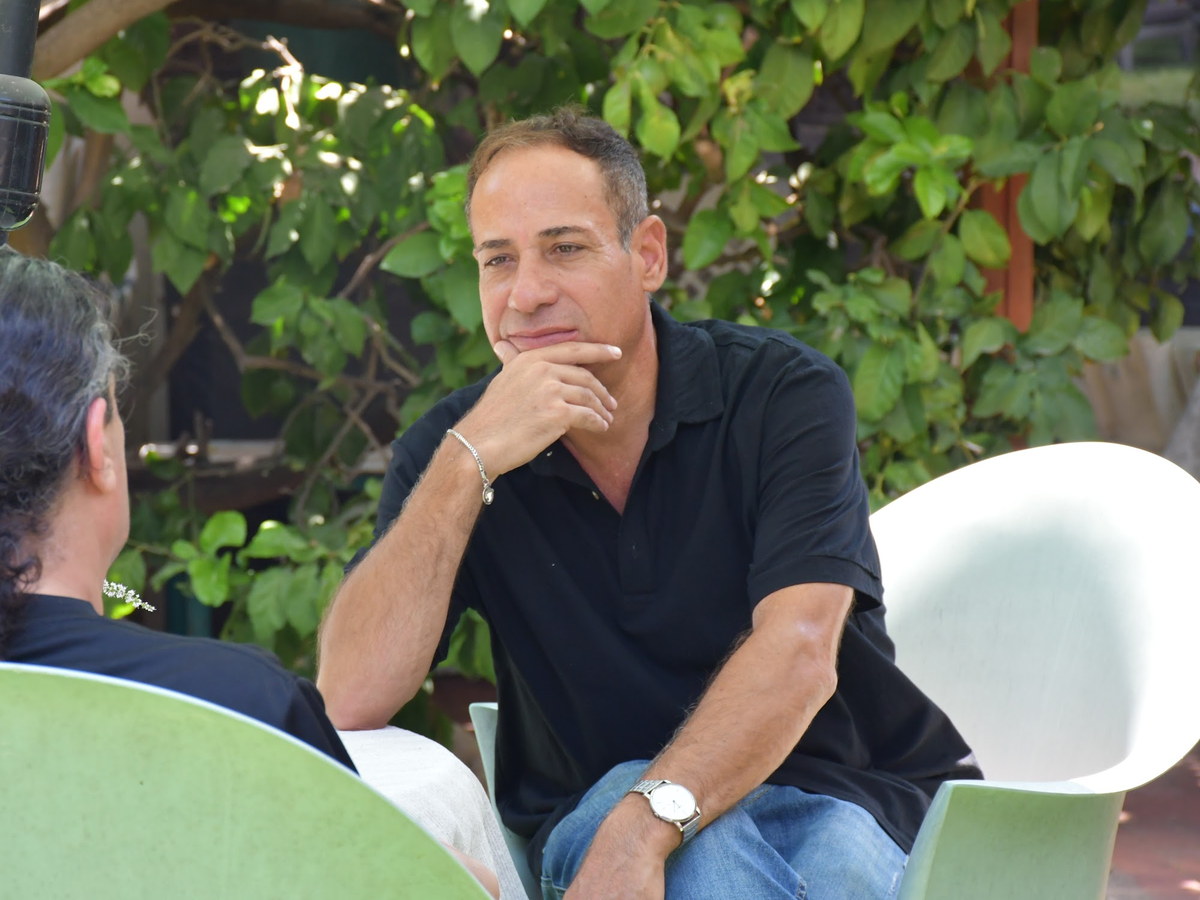
Alon Shemesh is an emotional therapist and personal development coach, a graduate of the Tut Tikshoret school and holder of an NLP Master certificate. Sessions take place at the clinic in Rehovot or on Zoom from anywhere, at a pace that suits you.
Every process is built around what you bring into the room, not around a ready-made template. The first step is a short intro call, with no commitment.
Get to know meYou don't need to know how to explain everything. You can start from where you are today. A personal intro call, with no commitment.
To be clear: the guidance and emotional therapy offered by Alon Shemesh are not a substitute for psychological or psychiatric treatment. Alon is not a psychologist or a psychiatrist, and some situations require diagnosis or treatment by a mental health professional - in such cases you will be referred to the appropriate professional.
Before you go - have you heard about the December 1 seminar?
Alon will get back to you soon to confirm your place and share payment details. If it's urgent, you can also WhatsApp 054-3333265.