This article is written for women and men alike.
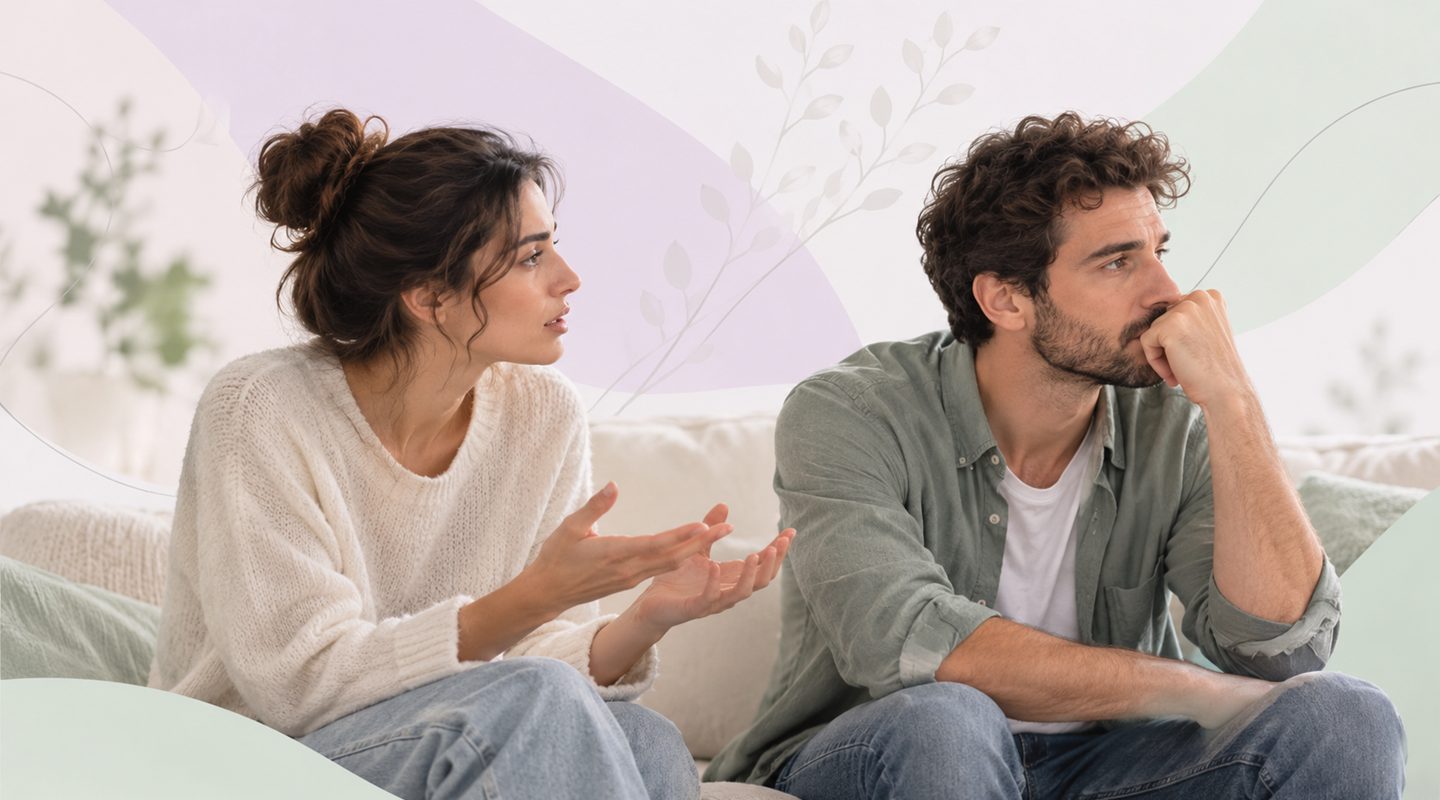
He was always the one who gave in to keep the peace. She was always the one who adjusted her plans to everyone else's needs. But one day something changes. One partner starts setting boundaries, expressing wishes and making more room for themselves. And it's precisely this positive change that can stir up tension in the relationship.
We tend to think of personal growth as a blessing, and in many cases it does contribute to a sense of confidence, independence and fulfillment. But within a relationship, a change in one person also affects the person beside them.
Habits that were taken for granted shift, expectations are no longer the same, and sometimes the balance in the relationship needs to be redefined.
Why can personal change trigger a relationship crisis?
Over time, every relationship develops fixed patterns: who makes the decisions, who tends to compromise, who starts conversations and who prefers to avoid conflict. When one partner starts behaving differently, the familiar patterns change.
For example, someone who used to agree to almost every request starts saying "no". The other partner, used to a certain way of doing things, may read the change as inconsiderate or as emotional distancing.
This is how a relationship crisis can develop, even when the original intention was to create positive change.
It's important to understand that not every change points to a problem in the relationship. Sometimes it simply requires both partners to adjust to a new reality.
What happens when one partner grows and the other feels left behind?
One of the challenges is the gap in the pace of personal growth.
When someone starts studying, developing hobbies, changing habits or building self-confidence, their partner may feel they're losing the place they had in the relationship.
Sometimes questions come up such as: Do we still want the same things? Will this change drive us apart? Do I need to change too?
Feelings like these don't necessarily mean resistance to the other person's growth. Sometimes they express a fear of losing a familiar stability.
A personal empowerment process can help a person identify their needs, strengthen their self-confidence and explore how to express their wishes while preserving the meaningful relationships in their life.
Learn more about the empowerment and personal growth process →
How do you set boundaries without hurting closeness as a couple?
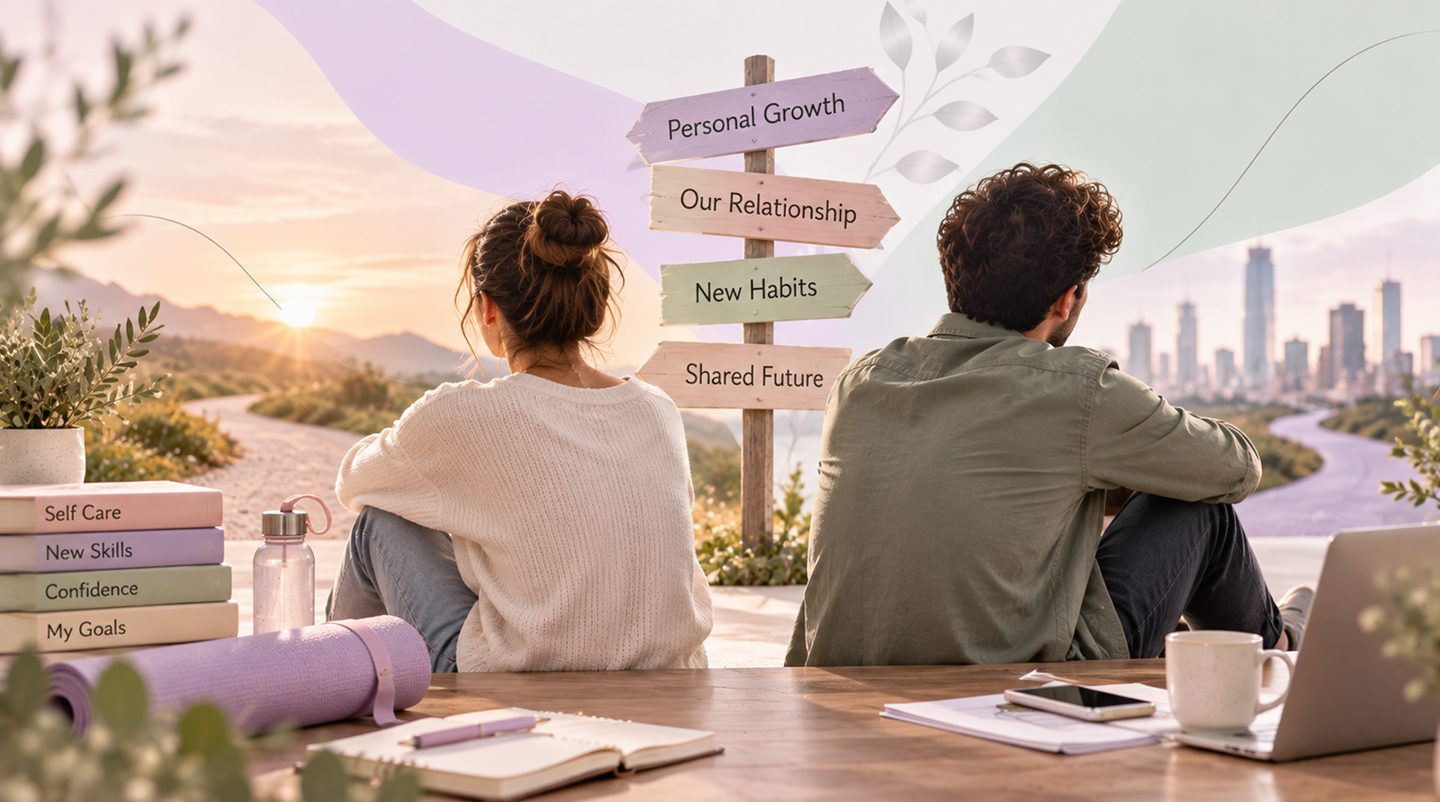
Setting boundaries is an important part of personal growth, but the way you express them matters just as much.
There's a difference between saying "from now on I only do what's good for me" and explaining "it's important to me to make time for the things that fill me up too, and I want us to find a way that works for both of us".
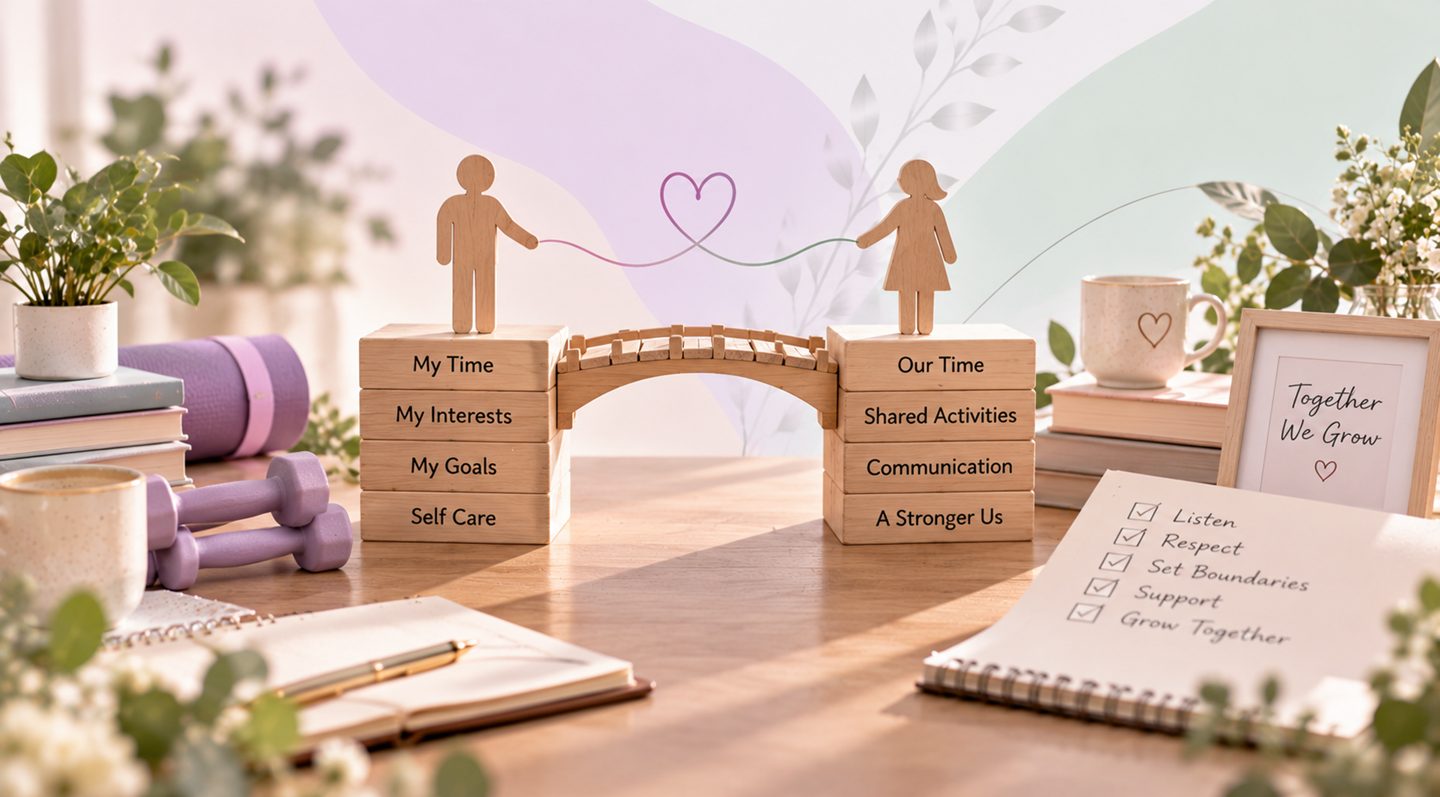
Good communication as a couple allows each partner to express their needs without dismissing the needs of the other.
To deal with the change, it helps to listen to the worries that come up, explain what lies behind the new wishes and avoid assuming that every disagreement comes from a lack of support.
The goal isn't to give up personal growth to preserve the relationship, but to find a way for independence and closeness to exist together.
When does personal change turn into a relationship in crisis?
Not every difficulty calls for professional help. Sometimes an open conversation and adjusting shared habits are enough to ease the tension.
But when every attempt to talk ends in a fight, when one partner feels unable to express themselves or when the distance keeps growing, it's worth addressing the difficulty.
Improving communication as a couple sometimes starts with identifying the interpretations each partner gives to the other's behavior. What one experiences as a need for independence, the other may experience as rejection.
In couples therapy, you can look at your communication patterns, understand the source of the tension and look for ways to cope with the change together.
Read more about couples therapy →
Nefeshlava: growing as individuals and staying close as a couple
A relationship doesn't require partners to stay exactly as they were on the day they met. People change, grow and discover new needs and wishes over the years.
The question is how to let this change find its place without losing the sense of partnership.
At the Nefeshlava clinic you can receive individual and couples guidance using tools from the world of NLP, focusing on identifying the thinking patterns, reactions and habits that affect everyday life.
The aim is to help each person understand themselves better, and to help partners explore how to build open, respectful communication that fits who they are today.
Because a healthy relationship doesn't stop personal growth; it allows two people to keep growing, both together and apart.